Special Occasions & Events
Special occasions and events mark the rhythm of family life, creating treasured memories while presenting unique challenges for parents. From a toddler’s first birthday party to managing holiday gatherings with extended family, these celebrations require thoughtful planning that balances excitement with practicality. The pressure to create picture-perfect moments can overshadow what truly matters: connecting with your children and building experiences they’ll carry into adulthood.
Modern parents face an evolving landscape of expectations around events, navigating everything from sensory-friendly party environments to sustainable celebration practices. Understanding how to dress children comfortably for formal occasions, prevent meltdowns during high-stimulation gatherings, and create meaningful traditions without breaking the bank transforms stressful obligations into genuine joy. This comprehensive resource addresses the practical, emotional, and environmental dimensions of celebrating with young children.
Dressing Children for Special Events: Balancing Style and Comfort
The challenge of formal children’s wear lies in reconciling adult aesthetic expectations with childhood’s fundamental need for movement and comfort. A beautiful outfit becomes meaningless if your child spends the entire event tugging at scratchy seams or refusing to sit due to restrictive waistbands.
Choosing Fabrics That Won’t Irritate
Fabric texture matters more than most parents initially realize. Synthetic materials like polyester taffeta or stiff tulle can cause sensory distress in children who are particularly sensitive to touch. Natural fibers—cotton, linen, and soft jersey blends—allow skin to breathe and reduce the risk of irritation. When formal wear demands a certain sheen or structure, look for garments with cotton linings that create a barrier between sensitive skin and decorative outer fabrics.
The Rent Versus Buy Decision
Children outgrow formal wear at an astonishing rate, making the economics of purchase questionable. Renting makes practical sense for one-time events like weddings, particularly for specialized items like ring bearer suits or flower girl dresses. However, versatile pieces that can be dressed up or down—a quality blazer, classic dress shoes, a simple dress in a neutral color—justify investment since they’ll see multiple uses across different occasions.
Timing Purchases and Planning Outfit Changes
Buying formal wear too far in advance invites sizing disasters, while last-minute shopping creates unnecessary stress. The three-week window before an event typically provides the optimal balance. Additionally, bringing a comfortable change of clothes allows children to fully participate in formal ceremonies before switching to play-appropriate attire for receptions or parties.
Managing Child Behavior and Emotions at Celebrations
Parties and gatherings create a sensory storm: loud music, crowds of people, unfamiliar foods, disrupted routines, and heightened excitement. For young children still developing emotional regulation skills, this combination frequently leads to meltdowns that parents incorrectly attribute to “bad behavior” rather than sensory overload.
Understanding the Stimulation-Tantrum Connection
Think of your child’s nervous system as a cup that gradually fills throughout a celebration. Visual stimulation, noise, social demands, and physical activity all add drops to this cup. When it overflows, a tantrum results—not from defiance, but from an overwhelmed system seeking relief. Recognizing early warning signs like increased whining, physical clinginess, or withdrawal allows for preventive intervention.
Creating Quiet Corner Strategies
Every celebration benefits from a designated calm-down space. This doesn’t require elaborate preparation—a separate room with dim lighting, comfortable seating, and a few quiet activities (books, soft toys, or coloring materials) provides essential refuge. Presenting this space proactively rather than as punishment helps children recognize and respond to their own regulation needs.
Strategic Sugar and Schedule Management
While sugar doesn’t clinically cause hyperactivity, the excitement surrounding treats combined with their rapid energy release can intensify already elevated arousal levels. Offering protein-rich foods before cake, limiting portion sizes, and timing dessert strategically (not right before departure or bedtime) helps moderate energy spikes. Party duration matters equally—90 minutes to two hours represents the sweet spot for most toddlers and preschoolers before fatigue sets in.
Planning Meaningful Birthday Parties Without Excess
The birthday party industry promotes increasingly elaborate celebrations, yet research consistently shows that children remember experiences and feelings rather than expensive decorations or entertainment. Shifting focus from impressive displays to genuine engagement creates more meaningful memories while reducing financial and environmental costs.
Choosing Themes Based on True Interests
Trending themes change rapidly and often reflect parent preferences rather than child passions. A four-year-old genuinely obsessed with garbage trucks will find more joy in a simple truck-themed party than a professionally coordinated event featuring the latest animated character they barely know. Authentic interest-driven themes also inspire more creative, personal touches that money can’t buy.
DIY Approaches and Experience-Focused Celebrations
Decorating a simple cake together teaches skills and creates connection that a bakery masterpiece cannot provide. Similarly, experience-based parties—a nature scavenger hunt, art project session, or playground picnic—often engage children more effectively than passive entertainment like hired performers. These approaches also naturally limit guest lists to manageable sizes, reducing overwhelm for both hosts and the birthday child.
Rethinking Goodie Bags
Traditional party favors typically contain plastic toys that break within days and candy that parents resent. Consider alternatives that reduce waste while providing genuine value:
- Consumable items like seed packets, homemade play dough, or trail mix in reusable containers
- Experience-based favors like a group craft activity during the party itself
- Book exchanges where each child brings a wrapped book and takes home a different one
- Simply eliminating favors entirely—few children actually expect them
Building Emotional Security Through Family Rituals
Consistent family traditions serve a psychological function beyond mere celebration. They create predictable anchors in children’s lives, communicating belonging and continuity. These rituals need not be elaborate—their power lies in repetition and shared participation rather than complexity.
The Consistency-Security Link
When children know that certain special events unfold in predictable ways—Sunday morning pancakes, annual apple picking trips, or bedtime stories on birthdays—they develop a sense of control and anticipation. This predictability becomes particularly valuable during transitions or stressful periods, providing emotional stability when other aspects of life feel uncertain.
Involving Children in Preparation
Participation transforms children from passive recipients to active contributors. Age-appropriate involvement might include:
- Toddlers helping stir cookie dough or place decorations at low heights
- Preschoolers creating handmade cards or choosing which family recipes to prepare
- School-age children planning aspects of celebrations or maintaining family tradition journals
This involvement builds competence, strengthens family identity, and ensures traditions evolve to reflect children’s growing capabilities.
Managing Gift Overload and Extended Family Dynamics
Well-meaning relatives often overwhelm children with excessive gifts, creating choice paralysis and diminishing appreciation for individual items. Proactively communicating preferences—”Please limit gifts to one item per person” or “We’re focusing on experiences this year”—sets boundaries respectfully. When hosting extended family, establishing clear schedules, meal plans, and child routine expectations prevents conflicts and exhaustion.
Selecting Safe and Sustainable Event Supplies
The tableware and supplies used during celebrations carry implications for both child health and environmental impact. Disposable convenience comes with hidden costs that mindful product choices can mitigate.
Understanding BPA and Plastic Risks
Many colorful disposable plates and cups marketed for children’s parties contain BPA or similar endocrine-disrupting chemicals that can leach into food, particularly when exposed to heat. Even “BPA-free” alternatives often substitute equally concerning compounds. When using disposable items, choose paper-based options or those specifically certified for food safety.
The True Cost of Disposable Versus Reusable
While paper plates seem economical per use, families hosting multiple celebrations annually often spend more over time than investing in durable, reusable party sets. Bamboo tableware offers a middle ground—naturally antimicrobial, dishwasher-safe, and far more durable than plastic alternatives. These sets require simple care: hand washing with mild soap for longevity, though most withstand dishwasher use.
Storage Solutions for Seasonal Items
Reusable celebration supplies only make financial sense if properly stored for repeated use. Clear, labeled bins organized by occasion (birthdays, winter holidays, seasonal celebrations) prevent repurchasing items you already own. Vertical storage solutions and vacuum-sealed bags for fabric items maximize space efficiency.
Organizing Inclusive Seasonal Activities
Events like egg hunts, costume parades, or holiday gatherings bring together children of varying ages, abilities, and backgrounds. Thoughtful design ensures everyone participates meaningfully rather than creating winners and losers.
Addressing Age and Ability Differences
Mixed-age events require deliberate strategies to prevent older, faster children from dominating activities. Color-coding systems work remarkably well: assign each age group a specific color of eggs, treats, or game markers that only they can collect. Staggered start times or designated zones for different age groups achieve similar inclusion. For children with mobility differences, ensure some items are placed at easily accessible heights and locations.
Managing Allergies and Dietary Restrictions
Food allergies affect a growing number of children, making blanket candy or chocolate distributions potentially dangerous. Consider non-food alternatives for events, or when including treats, clearly label all ingredients and provide allergy-friendly options. The “teal pumpkin” movement for Halloween exemplifies this approach—displaying a teal pumpkin signals that non-food treats are available.
Parental Supervision and Safety Planning
Large events in unfamiliar spaces require clear supervision strategies. Providing parents with simple venue maps, establishing check-in/check-out procedures, and maintaining appropriate adult-to-child ratios (generally one adult per four young children) prevents lost children and ensures rapid response to incidents.
Creating Costumes With Creativity and Sustainability
Halloween and dress-up events tempt parents toward disposable, petroleum-based costumes that tear easily and cannot be recycled. Shifting toward creative, sustainable alternatives teaches children valuable lessons while reducing waste.
Upcycling and No-Sew Techniques
Transforming existing clothing and household items into costumes requires more imagination than sewing skill. An old white sheet becomes a ghost, toga, or cloud. Cardboard boxes transform into robots, buildings, or vehicles. Safety pins, fabric glue, and iron-on tape enable costume construction without threading a needle. This approach not only reduces consumption but also demonstrates creative problem-solving and resourcefulness.
Safety Considerations for Costumes
Costume safety extends beyond visibility concerns. Many commercial costumes use highly flammable synthetic fabrics that pose serious risks near candles or fire sources. Natural fiber costumes or those labeled as flame-resistant provide better protection. Face paint often proves safer and more comfortable than masks, which can obstruct vision and breathing—critical considerations for trick-or-treating in darkness.
Choosing Decorations That Minimize Environmental Impact
The decoration industry generates enormous waste, with most items used once before entering landfills. Understanding material differences and embracing reusable or biodegradable options significantly reduces this impact.
Biodegradable Versus Compostable: Understanding the Difference
These terms are not interchangeable. Biodegradable simply means an item will eventually break down, but this might take decades and may leave toxic residues. Compostable indicates materials that decompose into non-toxic components within a specific timeframe under proper composting conditions. True compostable decorations require commercial composting facilities in most cases—few break down effectively in backyard bins.
The Glitter Problem
Conventional glitter consists of microplastics that contaminate water systems and never fully decompose. These particles enter food chains and accumulate in ecosystems. Biodegradable glitter alternatives made from plant cellulose offer visual sparkle without environmental persistence, though they cost more and have slightly different handling properties.
Fabric Versus Paper and Repurposing Strategies
Fabric bunting, banners, and tablecloths withstand years of use across multiple celebrations, making them environmentally superior despite higher upfront costs. Paper decorations, while biodegradable, typically survive only single use. Creative repurposing extends decoration life: birthday banners become bedroom décor, seasonal fabric napkins serve throughout their appropriate months, and paper decorations transform into craft materials or gift wrap components.
Special occasions and events in family life need not be sources of stress, excess, or environmental harm. By prioritizing child comfort over appearance standards, understanding sensory and emotional needs, focusing celebrations on meaningful experiences rather than impressive displays, and making thoughtful choices about supplies and decorations, parents create truly special moments. These approaches honor both childhood’s present needs and the future world our children will inherit, transforming obligations into opportunities for connection, learning, and joy.
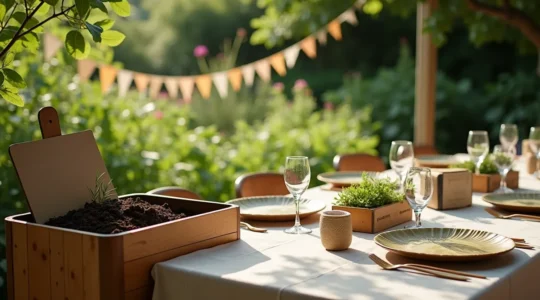
Which Eco-Friendly Party Supplies Actually Compost in a Home Garden?
Most party supplies labeled “biodegradable” or “compostable” will not break down in a home garden and can be as harmful as plastic. Labels are often misleading, referring to industrial composting conditions that are unavailable to most households. Reusability consistently has…
Read more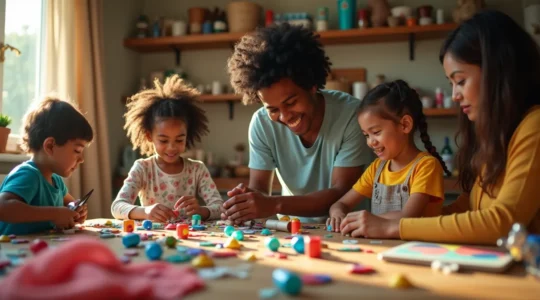
How to Engineer Unique Carnival Costumes from Recycled Materials at Home
Making a costume from recycled materials is more than a craft; it’s a foundational lesson in design, engineering, and resourcefulness. Smart construction methods, like slot-tabs and removable fasteners, create durable costumes that last well beyond a single event. A focus…
Read more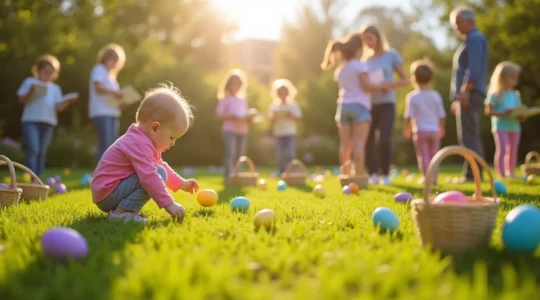
How to Organize a Fair Easter Egg Hunt for Mixed Ages: A Strategic Guide
In summary: A fair egg hunt isn’t about luck; it’s about strategic system design that engineers a positive outcome for every child. Use color-coded zones and egg quotas to guarantee that toddlers have the same opportunity as older children. Prioritize…
Read more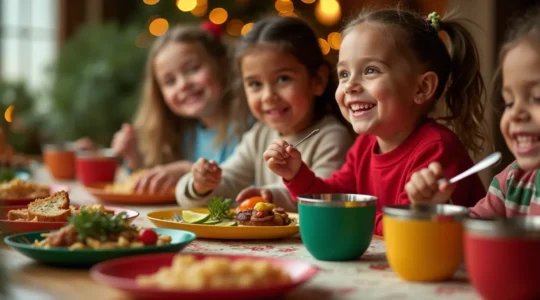
The Eco-Design Edit: Choosing Chic, Safe, and Sustainable Holiday Tableware for Kids
The perfect holiday table for your kids isn’t about finding disposable plates; it’s about investing in reusable pieces that offer verifiable safety, aesthetic durability, and a surprisingly low long-term cost. Reusable melamine or silicone sets cost significantly less over three…
Read more
How to Start Meaningful Christmas Traditions That Grow With Your Children?
The most meaningful Christmas traditions are not about picture-perfect moments, but about building a predictable framework of contribution and connection that acts as an emotional anchor for your children. Repetitive, predictable rituals are scientifically shown to reduce anxiety and build…
Read more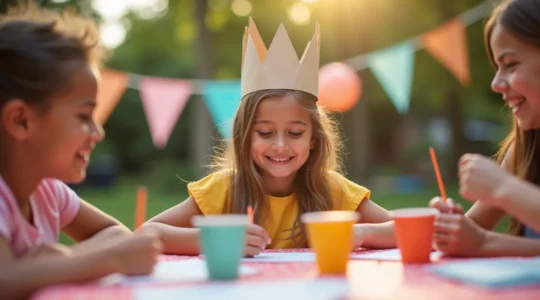
How to Host a Memorable Birthday for 10 Kids on a $200 Budget
The secret to a fantastic, budget-friendly kids’ party is trading expensive, forgettable props for priceless, interactive memories. Focus on hands-on activities like scavenger hunts and DIY craft stations, which create stronger memories than passive decorations. Transform simple, low-cost items (a…
Read more
From Party Fun to Meltdown-Free: A Guide to Managing Your Child’s Sensory Overload
The key to a meltdown-free party isn’t avoiding fun, but strategically managing your child’s “sensory budget.” Environmental design (like a ‘cool-down corner’) is more effective than reactive discipline. Timing is critical: The party’s length and when you serve sugar directly…
Read more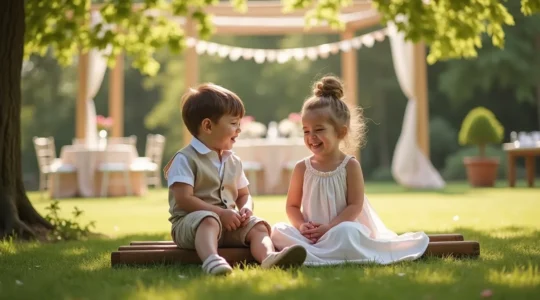
How to Dress Kids for Summer Weddings Without Causing Meltdowns?
The secret to a meltdown-free wedding day isn’t just choosing a cute outfit; it’s about proactively managing your child’s sensory budget. Formal wear discomfort (scratchy fabrics, tight waistbands) rapidly depletes a child’s capacity for coping with event-day chaos. A strategic…
Read more