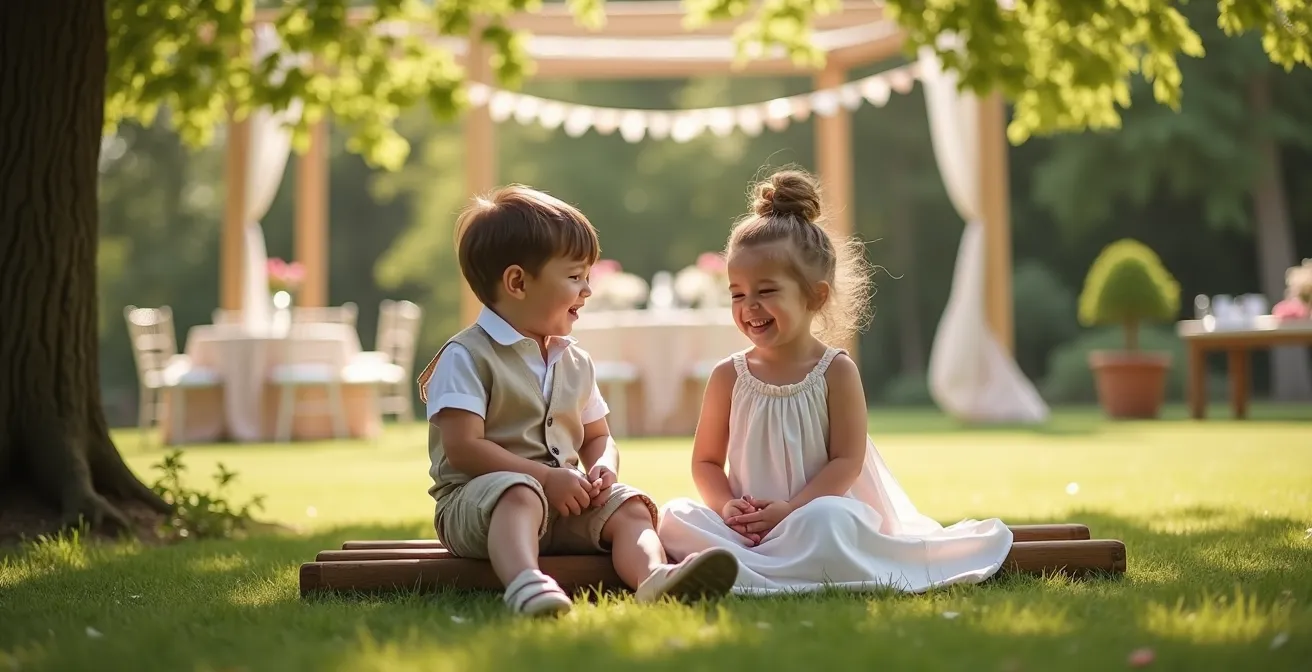
The secret to a meltdown-free wedding day isn’t just choosing a cute outfit; it’s about proactively managing your child’s sensory budget.
- Formal wear discomfort (scratchy fabrics, tight waistbands) rapidly depletes a child’s capacity for coping with event-day chaos.
- A strategic approach—prioritizing sensory-friendly fabrics, versatile layers, and well-timed outfit changes—is more effective than simply hoping for the best.
Recommendation: Treat the formal outfit as the “ceremony and photos” costume, with a comfortable “reception and play” outfit ready as soon as the main obligations are met.
You have the perfect vision: a sun-drenched wedding, your family looking impeccable in coordinated attire, and a photographer capturing a moment of pure joy. But the reality for many parents is a far cry from this idyllic scene. It’s the constant fidgeting in a starchy shirt, the tears welling up because of a scratchy tulle skirt, and the full-blown tantrum that erupts just as the canapés are served. The tension between achieving a picture-perfect aesthetic and maintaining a child’s happiness is the ultimate challenge for parents attending a high-stakes event.
The standard advice often misses the mark. You’ve been told to choose light fabrics like cotton and to bring a change of clothes. While not wrong, this advice only scratches the surface. It fails to address the root cause of the meltdown: sensory overload. Every uncomfortable seam, every restrictive waistband, and every stifling, non-breathable fabric acts as a constant, low-level irritant, draining your child’s ability to cope with the noise, crowds, and excitement of a wedding.
But what if the key wasn’t just to find a “comfortable” outfit, but to adopt a stylist’s strategy for managing your child’s entire sensory experience? This guide reframes the task of dressing your child from a simple clothing choice to a strategic plan. We’ll move beyond the platitudes and delve into the science of sensory comfort, the art of thermoregulation through layering, and the practical logistics of stain removal and outfit transitions. The goal is to ensure your child not only looks the part for those crucial photos but feels happy and relaxed enough to actually enjoy the celebration.
This article will guide you through a complete-event timeline, from selecting a tantrum-proof dress to knowing the perfect moment to switch into play clothes, ensuring the day is a success for everyone.
Summary: A Strategic Guide to Kids’ Wedding Attire
- Why Tulle Lining Often Causes Tantrums After 30 Minutes?
- How to Remove Grass Stains From Silk Blends Before the Reception?
- Renting vs. Buying: Which Makes Sense for a Ring Bearer Outfit?
- The “Buy Ahead” Mistake That Leaves Pants Too Short on Event Day
- When to Switch to Play Clothes: The Timeline for Happy Guests
- Why Excessive Noise and Sugar Lead to Meltdowns in 30 Minutes?
- Vest Only or Full Jacket: What Works Best for Outdoor Summer Events?
- Which Ceremony Dress Style Fits a Flower Girl for an All-Day Event?
Why Tulle Lining Often Causes Tantrums After 30 Minutes?
The classic flower girl dress, with its voluminous layers of tulle, often becomes the primary antagonist in a wedding-day drama. For many children, especially those with heightened sensory awareness, the experience of wearing it is anything but magical. The issue isn’t the child being “fussy”; it’s a genuine physiological response. Tulle, particularly the stiff, inexpensive kind used for linings, creates thousands of points of scratchy contact against the skin. This constant, irritating stimulation puts a child’s nervous system on high alert, rapidly draining their “sensory budget” before the ceremony even begins.
This is especially true for children who may have underlying sensory processing sensitivities. In fact, recent research reveals a direct link between conditions like ADHD and heightened touch sensitivity that can significantly affect daily functioning. That “pretty” dress can feel like a cage of sandpaper, making it impossible for the child to focus on anything but their discomfort. After about 30 minutes of this sensory assault, their coping reserves are depleted, and a meltdown becomes almost inevitable. The tantrum isn’t about the dress itself; it’s the overflowing of an overwhelmed nervous system.
To avoid this, a comfort-first fit approach is essential. Opt for dresses with soft cotton or jersey linings, or layer a soft slip or leggings underneath a tulle skirt to create a barrier. Pay close attention to seams, tags, and waistbands. Even if a dress looks perfect on the hanger, if it fails a basic sensory audit, it’s a high-risk choice for an all-day event. Always prioritize the feel of the fabric against the skin over the external appearance.
How to Remove Grass Stains From Silk Blends Before the Reception?
It’s an almost universal law of weddings: if there is a patch of grass, a child in a pristine outfit will find it, and stains will follow. The moment between the ceremony and reception is prime time for spills and grass stains. Panic is a natural reaction, but the key is to be prepared with a wedding day emergency kit and a clear strategy. Acting quickly and correctly can mean the difference between a minor hiccup and a permanent mark on an expensive outfit—and on the formal photos.
Wedding preservation experts advise a “triage” approach. The first rule is to correctly identify the stain and blot, don’t rub. Rubbing grinds the stain particles deeper into the fabric fibers, especially delicate ones like silk blends, making them almost impossible to remove. For liquid spills like punch, gently blot with a clean white cloth. For oily stains from food, immediately applying baby powder or white chalk can absorb the grease before it sets. However, when it comes to grass or mud, the strategy is different. You must let mud dry completely so it can be brushed off, while fresh grass stains should be addressed immediately with a stain pen if the fabric allows.
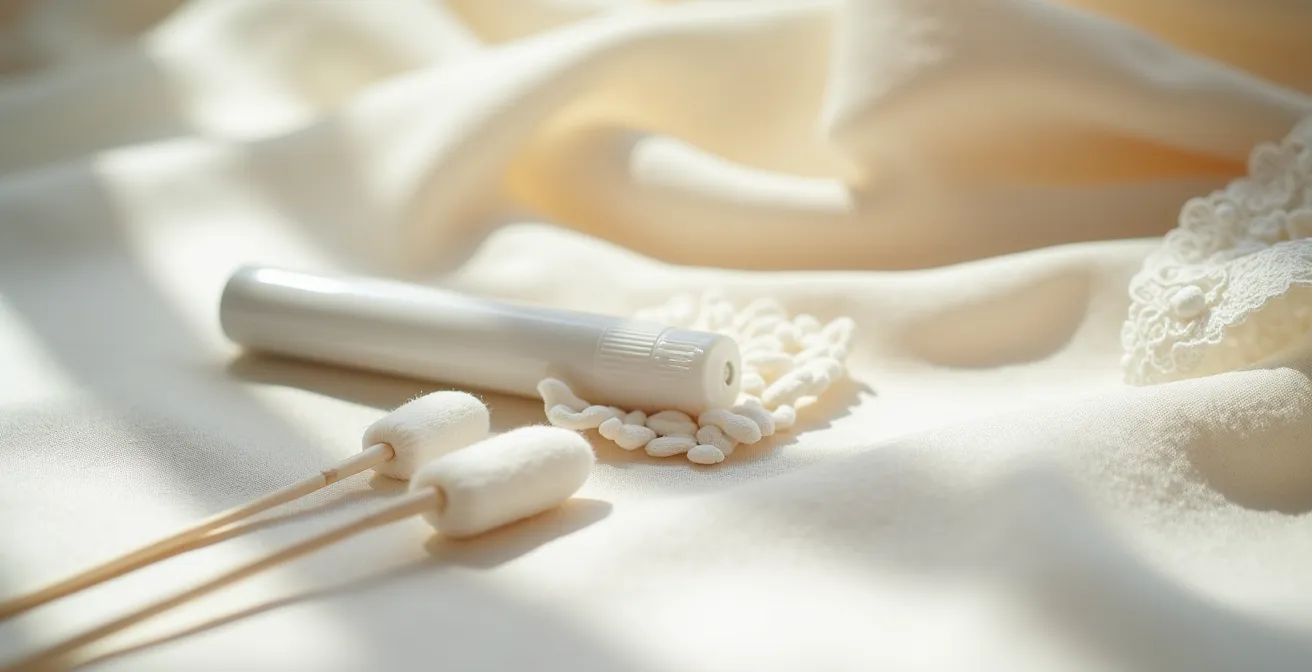
As the image above suggests, having the right tools on hand is half the battle. A well-stocked kit is your best defense against the inevitable. It empowers you to manage minor disasters with the calm confidence of a professional, ensuring the outfit—and the child—can get back to the celebration with minimal fuss.
Your Wedding Day Stain & Repair Audit
- Assess the Damage: Quickly identify the stain type (grass, food, mud) and the fabric (silk, cotton, polyester) before acting.
- Gather Your Tools: From your emergency kit, retrieve the appropriate tools: a stain pen for spot treatment, baby powder for oil, or clean cloths for blotting.
- Execute the Method: Blot liquids immediately from the outside in, let mud dry completely before brushing, and use powder to absorb fresh oil stains.
- Contain the Issue: For stubborn spots that won’t lift, use white chalk or baby powder to mask the stain temporarily for photos.
- Plan for a Pro: Make a mental or physical note of the stain’s location and type to inform a professional cleaner after the event.
Renting vs. Buying: Which Makes Sense for a Ring Bearer Outfit?
The decision to rent or buy a ring bearer’s outfit is a classic cost-benefit analysis. On the surface, renting seems like the more economical and convenient option for a one-time event. You avoid the high upfront cost and the post-wedding problem of storing a tiny suit that will be outgrown in months. However, as with most things related to children and formal events, the cheapest option isn’t always the best value, especially when factoring in comfort and potential hidden costs.
Rental outfits are built for durability, not necessarily for comfort. They often consist of heavy, industrial-grade polyester blends that don’t breathe well—a major drawback for a summer wedding. The fit is also standardized, offering little room for customization beyond basic measurements, which can result in a look that is boxy or ill-fitting. Furthermore, the mandatory damage insurance, while protecting you from significant financial loss, adds to the final bill, sometimes bringing the total cost closer to that of an affordable purchased outfit.
This comparative table breaks down the key factors to consider, based on an analysis of children’s formal wear options.
| Factor | Renting | Buying |
|---|---|---|
| Initial Cost | $50-80 | $75-150 |
| Damage Insurance | $15-25 extra | N/A |
| Shipping Fees | $20-30 round trip | One-time purchase shipping |
| Resale Value | None | 30-50% recovery possible |
| Fabric Quality | Durable polyester blends | Choice of natural fibers |
| Fit Customization | Standard sizes only | Alterations possible |
| Cleaning Chemicals | Industrial grade (potential irritant) | Control over washing method |
Ultimately, buying offers unparalleled control over fabric and fit. You can choose a breathable linen or soft cotton suit and have it tailored for a perfect, comfortable fit. While the initial investment is higher, the ability to prioritize your child’s comfort—and potentially resell the outfit later—can make buying the more strategic choice for a meltdown-proof day.
The “Buy Ahead” Mistake That Leaves Pants Too Short on Event Day
In the whirlwind of wedding planning, it’s tempting to tick “children’s outfits” off the list months in advance. This proactive approach, however, is one of the most common pitfalls parents face. Children grow in unpredictable spurts, and an outfit purchased three months before the event can easily result in comically short pants or a waistcoat that won’t button on the big day. This forces a last-minute scramble for a replacement, adding unnecessary stress and expense.
The key to avoiding this scenario is strategic timing. The ideal window to purchase the outfit is about three to four weeks before the wedding. This is close enough to the event to account for any recent growth spurts, yet still leaves enough time for exchanges or crucial alterations. When shopping, look for styles with built-in adjustability, such as hidden elastic waistbands, extra length in the hem, and rollable cuffs. These features provide a valuable buffer and can accommodate minor growth fluctuations.
A final fitting should be scheduled one to two weeks before the event. As wedding expert Amanda Mitchell advises in her Zola column, the philosophy should always be to err on the side of caution. In her words:
It’s better to go bigger and have them tailored in case of a sudden burst in height two months before the wedding.
– Amanda Mitchell, Zola Expert Wedding Advice
Even with perfect planning, it’s wise to pack an emergency kit with iron-on hem tape and fashion tape. These simple tools can provide on-the-spot solutions for a hem that has dropped or straps that have slipped, ensuring a polished look from the first photo to the last dance.
When to Switch to Play Clothes: The Timeline for Happy Guests
One of the most valuable tools in a parent’s wedding-day arsenal is a well-timed outfit change. The formal attire has a job to do: look pristine for the ceremony and the official family portraits. Once that job is done, forcing a child to remain in a potentially restrictive or delicate outfit for the remainder of a long day is a recipe for disaster. The “quick change” isn’t an admission of defeat; it’s a strategic move that benefits everyone.
The optimal moment for the switch is typically after the main formalities are completed—usually after the formal meal and before the dancing and evening festivities begin. This transition signals to the child that the “on duty” portion of their day is over, and they can now relax and be a kid. This simple act can dramatically improve their mood and stamina, allowing them to happily participate in the reception rather than melting down from exhaustion and discomfort.

This shift in mood is not only a relief for parents but can also be a gift to the wedding photographer. As many event professionals will attest, the most authentic and joyful photos of children are often captured when they are at their most relaxed and uninhibited.
When the children run free and play, that’s when they’ll present me with their most natural poses, making this an opportunity for great photos. As the day goes on, kids can relax more – by the end of the evening they will be sliding around on the dancefloor and getting up to mischief.
– Wedding Photographer, John Lewis & Partners
The backup outfit doesn’t have to be an old t-shirt. It can be a “dressy casual” option—a soft polo and chinos, or a comfortable cotton dress—that still feels appropriate for the occasion but prioritizes freedom of movement and comfort.
Why Excessive Noise and Sugar Lead to Meltdowns in 30 Minutes?
Even with the most comfortable outfit, a wedding environment is a minefield of sensory triggers. The combination of loud music, chattering crowds, and a steady stream of sugary treats can quickly overwhelm a child’s developing nervous system. While these elements are part of the fun for adults, for a child, they contribute to a rapid depletion of their sensory resources, often leading to a meltdown in as little as 30 minutes. This isn’t a sign of bad behavior; it’s a physiological response to overstimulation.
To understand this, occupational therapists often use the “sensory cup” analogy. Every child has a cup that gets filled with sensory input throughout the day. A child who is already managing the discomfort of formal wear starts the day with their cup partially full. The constant noise of the reception, the pressure of social interactions, and the spike-and-crash cycle from sugar quickly cause this cup to overflow. The resulting “meltdown” is the system’s way of saying it cannot process any more input.
A proactive power-down routine is an effective strategy to prevent this overflow. Taking just 15 minutes away from the reception to reset can make all the difference. Find a quiet corner, a lobby, or even an outdoor patio. Offer a protein-rich snack like cheese or nuts instead of more sugar, and provide water to rehydrate. Simple deep-pressure activities, like a big bear hug, can have a profoundly calming effect on the nervous system. This brief intermission allows the child’s sensory cup to empty a little, giving them the capacity to re-engage with the party happily.
Vest Only or Full Jacket: What Works Best for Outdoor Summer Events?
For boys’ summer wedding attire, the three-piece suit—jacket, vest, and trousers—offers the most strategic versatility. It allows for a dynamic thermoregulation strategy that can adapt to changing environments and temperatures throughout the day. Rather than choosing between a vest or a full jacket, the best approach is to have both and use them as part of a planned layering system. This ensures the child is comfortable and appropriately dressed for every part of the event, from a cool, air-conditioned ceremony to a sun-drenched outdoor reception.
The full jacket is perfect for the most formal parts of the day, such as the ceremony or indoor portraits. It provides a polished, classic look. As the day warms up or the event moves outdoors, the jacket can be removed, leaving the child in a smart vest and shirt. The vest maintains a level of formality while allowing for greater freedom of movement and airflow. Finally, for the late-night dancing and running around, the vest can also be shed, leaving the child comfortable in just their dress shirt.
However, fabric choice remains paramount. As fashion experts point out, the composition of the garments can be more important than the layers themselves. A breathable, light-colored linen shirt can be far more comfortable and offer better sun protection than a dark, synthetic vest that traps heat.
A lightweight, long-sleeved, light-colored linen shirt can actually be cooler and offer better sun protection than a dark, synthetic vest.
– One Friday World Fashion Team, Wedding Dress Ideas for Boys Guide
Pay close attention to the lining of the jacket and vest. A lining made of cotton or Bemberg will be far more breathable and comfortable against the skin than a standard polyester one, which can feel sticky and trap heat, negating the benefits of a natural fiber shell.
Key Takeaways
- Prioritize Sensory Comfort: The root of most meltdowns is sensory overload. Choose soft, breathable fabrics and check for scratchy seams and tags to preserve your child’s “sensory budget.”
- Embrace a Layering Strategy: A three-piece suit for boys or a dress with a matching cardigan for girls offers a versatile thermoregulation strategy, adapting to different environments from a cool ceremony to a warm reception.
- The Practicality Test is Non-Negotiable: Before buying any dress, perform the “Sit, Twirl, Run Test” to ensure it allows for natural movement and doesn’t present a tripping hazard or bathroom-break challenge.
Which Ceremony Dress Style Fits a Flower Girl for an All-Day Event?
Selecting a flower girl dress that will survive an all-day event requires looking beyond the initial “wow” factor. A dress that looks stunning on a hanger might become a source of misery for a child expected to wear it for eight hours. The most successful styles are those that masterfully balance elegance with practicality, allowing the child to move, play, and use the restroom without a major ordeal.
Before committing to a purchase, the dress must pass the “Sit, Twirl, Run Test.” This is a simple, practical evaluation of the dress in action. Have the child sit down to see if the skirt rides up uncomfortably. Ask them to twirl—does the dress move beautifully, or does it get tangled around their legs? Let them take a few quick steps to check for tripping hazards. Finally, ensure they can lift their arms for a hug without the seams digging in. Observing a child in the dress for just ten minutes will reveal any tell-tale signs of discomfort, such as fidgeting or pulling at the fabric.
Beyond movement, consider the practicalities of a long day. Can the child manage the dress for a bathroom break, or will it require a two-person support team? This is where childrenswear experts note that two-piece outfits have a distinct advantage. A separate top and skirt combination can offer the same formal look as a dress but makes bathroom breaks infinitely easier. Similarly, styles like A-line or empire-waist dresses, which are less restrictive around the legs and torso, are often more comfortable for all-day wear than a fitted bodice with a massive ballgown skirt.
Now that you’re equipped with strategies to choose attire that is both beautiful and genuinely comfortable, you can approach the wedding day with confidence. By managing their sensory budget, you give your child the gift of enjoying the celebration, ensuring that the memories—and the photos—are filled with authentic smiles instead of stress. This thoughtful approach is the true secret to a picture-perfect, meltdown-free event.