Children’s fashion
Dressing children involves far more than simply choosing cute outfits. Every garment that touches a child’s skin plays a role in their comfort, safety, and even their physical development. From the fabric composition that determines how well a shirt withstands playground adventures to the closure type that either fosters or frustrates a preschooler’s independence, children’s fashion encompasses a complex web of practical considerations that many parents only discover through trial and error.
This comprehensive resource brings together the essential knowledge parents need to make confident clothing decisions. We’ll explore how fabric choices affect durability and skin health, why proper fit matters for motor skill development, how to navigate sizing challenges as children grow rapidly, what to consider for special occasions, and how accessories can transform basic outfits while maintaining safety. Whether you’re building a practical everyday wardrobe or selecting formal wear for a milestone event, understanding these fundamentals will save you time, money, and unnecessary frustration.
Why Fabric Quality Forms the Foundation of Children’s Wardrobes
The fabric you choose determines not just how long a garment lasts, but how it performs through countless washes, playground sessions, and growth spurts. Unlike adult clothing that might be worn gently in office settings, children’s garments face extraordinary physical demands—grass stains, sand, frequent washing, stretching during active play, and the constant friction of crawling or climbing.
Understanding Durability: Physical Resistance and Wash Longevity
Fabric durability involves two distinct qualities. Physical resistance refers to how well material withstands pulling, tearing, and abrasion—critical when children climb trees, slide down playground equipment, or crawl on rough surfaces. Wash longevity measures how fabric maintains its color, shape, and integrity through repeated laundering cycles. A typical children’s garment might be washed twice as frequently as adult clothing due to spills and dirt.
Look for fabrics with reinforced zones in high-stress areas. Knees on pants, elbows on long-sleeve shirts, and the seat area of trousers benefit enormously from double-layered fabric or tighter weaves. These reinforcements can extend garment life by several months—a significant difference when you consider how quickly children outgrow clothing anyway. Think of reinforced zones as insurance policies: they require slightly higher upfront investment but prevent the frustration of discovering holes after just a few wears.
Natural vs. Synthetic Fibers: Making the Right Choice
The debate between pure cotton and synthetic blends isn’t about one being universally superior—it’s about matching fabric properties to specific needs. Pure cotton excels in breathability and softness, making it ideal for sensitive skin and warm weather. However, it wrinkles easily, shrinks if not pre-treated, and lacks the elasticity that active children benefit from.
Synthetic blends (typically cotton mixed with polyester or elastane) offer compelling advantages:
- Enhanced durability and resistance to wear
- Better shape retention after washing
- Increased elasticity for freedom of movement
- Faster drying times
- Reduced wrinkling
The sweet spot for everyday children’s wear often lies in blends containing 80-95% cotton with 5-20% stretch fibers. This combination provides cotton’s comfort with just enough elasticity to accommodate active play without the garment losing its shape. For athletic wear or swimwear, higher synthetic content makes sense, while undershirts and pajamas benefit from higher cotton percentages for temperature regulation during sleep.
Caring for Children’s Clothing to Extend Its Life
Even the highest-quality fabric won’t survive improper care. Preventing shrinkage starts before the first wash: always check care labels and wash new garments according to instructions before first wear. Cold water washing preserves colors and prevents cotton shrinkage, while also being more energy-efficient. When dealing with stubborn stains—an inevitable part of childhood—pre-treat spots rather than using excessively hot water, which can set certain stains permanently.
Rotating wardrobes seasonally serves dual purposes. It prevents excessive wear on favorite items by encouraging variety, and it allows you to assess which pieces children have outgrown before the season returns. Store off-season clothing in breathable containers with clear labels indicating size—this organization proves invaluable if you’re saving items for younger siblings or planning to resell quality pieces.
How Clothing Impacts Child Development and Safety
Children’s clothing isn’t merely scaled-down adult fashion. Between birth and adolescence, children develop crucial motor skills, gain independence in self-care, and navigate physical environments in ways that demand specially designed garments. The wrong clothing choices can actually hinder developmental milestones, while thoughtful selections support growing capabilities.
The Connection Between Fabric and Motor Skills
Stiff, inflexible fabrics restrict the natural range of motion that children need for healthy physical development. Consider a toddler learning to walk: stiff denim jeans might look adorable, but they can impede the hip and knee flexibility required for those wobbly first steps. Research in child development consistently shows that clothing which restricts movement can delay gross motor skill acquisition during critical learning windows.
Testing elasticity before purchase takes just seconds but prevents months of regret. Gently stretch the fabric horizontally across areas where movement occurs—the knees, hips, shoulders, and elbows. The material should stretch at least 15-20% beyond its resting state and snap back immediately when released. For pants, try the “squat test” if possible: the fabric should accommodate a full squat without pulling uncomfortably tight or creating excessive bunching.
This principle of balancing style and mobility becomes particularly relevant with children’s jeans. While classic rigid denim offers durability and a timeless look, modern stretch denim blends provide the same aesthetic with vastly improved comfort. The small percentage of elastane added to contemporary denim means children can run, climb, and play without the restriction that made previous generations view “dressy” days as uncomfortable ordeals.
Designing for Independence: Closures Children Can Master
Between ages two and five, children develop the fine motor skills and desire for independence in dressing themselves. Clothing closures either support or frustrate this developmental stage. Large buttons, elastic waistbands, and Velcro closures allow preschoolers to succeed independently, building confidence and reducing morning routine battles. Tiny buttons, complex snaps, or back zippers create dependence and frustration.
Sequence your clothing complexity to match developing abilities:
- Ages 2-3: Elastic waistbands, slip-on shoes, large neck openings
- Ages 4-5: Large buttons, simple snaps, front zippers with large pulls
- Ages 6-7: Standard buttons, regular zippers, simple belt buckles
- Ages 8+: All closure types, introducing tie shoes when ready
This progression respects developmental readiness while gradually introducing more complex closures as fine motor skills mature. Rushing to complex closures before children are ready doesn’t accelerate development—it simply creates daily frustration and undermines the confidence gained from mastering age-appropriate tasks.
Preventing Common Comfort and Safety Issues
Skin chafing represents one of the most overlooked safety issues in children’s clothing. Unlike adults who can articulate discomfort, young children may only express chafing through fussiness or behavior changes. Common culprits include rough seams in sensitive areas, tags against the neck or lower back, and tight elastic that creates friction during movement. Turn garments inside out before purchasing and run your hand along seam areas—if they feel rough to your palm, they’ll likely irritate a child’s more sensitive skin.
Look for flat-lock seams in athletic wear, tagless labels printed directly on fabric, and covered elastic in waistbands. These design features cost manufacturers slightly more but prevent the skin irritation that renders otherwise quality garments unwearable. For children with particularly sensitive skin or conditions like eczema, wash new clothes before first wear to remove manufacturing residues and fabric finishes that can trigger reactions.
Solving the Growth Challenge: Smart Sizing Strategies
Children grow at astonishing, unpredictable rates. A study tracking children’s growth patterns found that some children experience growth spurts adding multiple inches in just a few months, while siblings might grow steadily and slowly. This variability makes sizing children’s clothing one of the most challenging aspects of building their wardrobes—buy too small and garments become unwearable within weeks; buy too large and children trip over hems or look swallowed by excess fabric.
Anticipating Growth Spurts Without Oversizing
Strategic sizing requires balancing current fit with anticipated growth. For everyday clothing expected to last 6-12 months, purchasing items with one size of growing room typically works well. This means sleeves that can be rolled once, pants with adjustable waistbands, and shoulder seams that sit slightly beyond the shoulder point. However, more than one size up creates problems: excess fabric bunches uncomfortably, long hems create tripping hazards, and the garment looks sloppy rather than stylish.
Different garment types tolerate sizing flexibility differently. T-shirts and casual tops can be purchased slightly large since excess length simply looks like a relaxed fit. Pants require more precision because length directly impacts safety—children trip on too-long hems. Formal wear demands accurate sizing since even slight misfit becomes obvious in structured garments.
Adjustable features extend garment lifespan significantly. Interior waistband buttons that allow taking in or letting out pants by an inch can span an entire year of growth. Roll-up sleeves with button tabs look intentional while accommodating arm growth. Dresses and skirts with generous hems provide alteration opportunity as children grow taller.
Measuring Accurately for Better Fit
Online shopping’s convenience comes with the challenge of avoiding sizing errors without physical try-ons. Accurate home measurements eliminate most fitting issues. You’ll need a flexible fabric measuring tape and these key measurements:
- Chest: Measure around the fullest part, keeping tape parallel to floor
- Waist: Measure at natural waist (narrowest point), not where pants sit
- Hips: Measure around the fullest part of the buttocks
- Inseam: Measure from crotch seam to desired pant length (typically ankle bone)
- Shoulder width: Measure straight across from shoulder point to shoulder point across the back
Measuring inseams correctly at home prevents the most common pant-fitting issue. Have the child stand straight in well-fitting pants. Place one end of the measuring tape at the crotch seam and extend down the inner leg to where you want the pants to end. For everyday wear, this is typically the top of the ankle bone; for formal wear, it might extend to mid-heel. Record this measurement and compare it directly to garment specifications when shopping online, rather than relying on age-based sizing which varies wildly between brands.
Shoulder width proves critical for shirts, jackets, and dresses. A garment with shoulder seams that fall too far down the arm restricts movement and looks ill-fitted, while seams sitting too far inward dig uncomfortably into the shoulder. This measurement determines whether a garment will fit properly regardless of how much room exists in the body or sleeve length.
When and How to Adjust Clothing
Even with careful purchasing, alterations sometimes become necessary—especially for special occasions or when you find quality pieces at excellent prices in imperfect sizes. Understanding which alterations are simple and which require professional help prevents costly mistakes.
Simple DIY alterations include hemming pants (preserving original hem when possible for easy lengthening later), taking in elastic waistbands, and shortening sleeves. These require only basic sewing skills or can be accomplished with iron-on hem tape for a temporary fix. However, avoid restrictive waistbands that cut into children’s midsections—if a waist needs taking in more than an inch, the garment is likely too large overall.
Professional alterations make sense for special occasion wear where fit must be precise. Managing last-minute alterations requires planning: quality tailors need 1-2 weeks for standard alterations, more during busy seasons like spring (wedding season) or fall (holiday events). If possible, purchase formal wear 3-4 weeks before needed and schedule alterations 2 weeks out, allowing time for a final fitting if adjustments need refinement.
Dressing Children for Special Occasions
Special occasion wear presents unique challenges: these garments are worn infrequently but must perform flawlessly, often carry sentimental value, and require balancing formality with child-appropriate comfort and safety. The decisions you make about materials, fit, and styling determine whether special events remain happy memories or become uncomfortable ordeals that children dread.
Choosing Girls’ Dresses: Beauty Meets Practicality
The perfect special occasion dress satisfies parents’ aesthetic preferences while keeping children comfortable and safe. Start with length considerations: dresses should end above the knee for active events or right at the knee for more formal occasions. Floor-length styles look elegant but create significant tripping hazards unless children are old enough (typically 8+) to manage long skirts while walking, sitting, and navigating stairs.
Fabric selection for girls’ dresses involves understanding material properties beyond appearance. Tulle creates the dreamy, princess-like volume many children love, but it can be scratchy against skin, especially when layered densely. Quality tulle dresses feature soft cotton linings that prevent irritation. Silk and satin offer beautiful drape and sheen but require delicate care, wrinkle easily during wear, and can be slippery on certain surfaces. For most occasions, cotton blends with subtle sheen provide the best balance—they photograph beautifully, withstand the wear of a full event, and launder more easily.
Matching accessories to the dress completes the look while serving practical purposes. A soft cardigan or bolero provides warmth in air-conditioned venues and covers bare shoulders for more conservative settings. Choose shoes prioritizing comfort and stability over style—a child limping in painful formal shoes will remember the discomfort more than the beauty of the outfit. Mary Jane styles
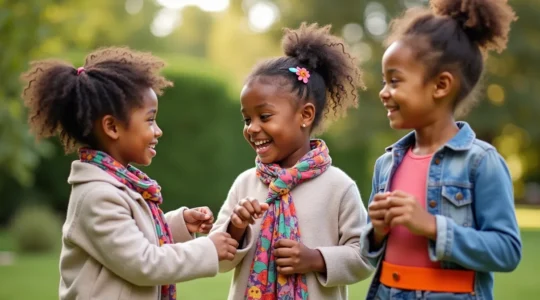
5 Genius Accessories Under $50 to Transform Your Child’s Wardrobe
In summary: Focus on accessories that solve practical problems, like keeping pants up or hair out of eyes. A single statement piece, like a scarf or vintage brooch, can make a hand-me-down feel brand new. Prioritize safety by performing simple,…
Read more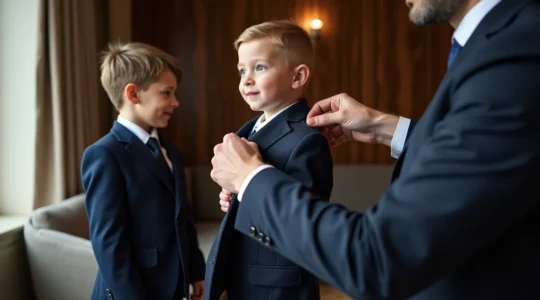
Tailored Suits for Boys: How to Get the Fit Right for a One-Time Event?
For a single event, a ‘photograph-ready’ fit is achieved not by expensive tailoring, but by mastering strategic compromises. Prioritize the shoulder fit above all else; it’s the anchor of a sharp silhouette and costly to alter. Focus on comfort, especially…
Read more
The All-Day Flower Girl Dress: A Survival Guide to Magical and Meltdown-Proof Attire
The secret to a perfect flower girl experience lies in treating the dress not as a fragile garment, but as a piece of high-performance engineered apparel. Prioritize safety and mobility over aesthetics, especially for toddlers, by choosing tea-length or shorter…
Read more
How to Find Soft Denim That Allows Full Movement for Active Preschoolers?
Finding the right jeans for a preschooler goes beyond simply looking for “stretch.” The key is to view denim as developmental apparel that can either support or hinder crucial motor skills. By focusing on specific fabric properties, seam construction, and…
Read more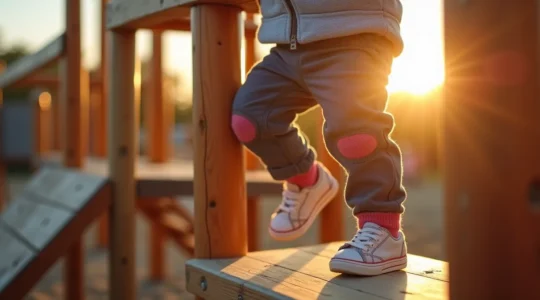
Which Fabrics Survive Toddler Playtime Without Tearing After 3 Washes?
In summary: The durability of toddler clothing is determined by fabric weight (GSM), not just the fiber type. Aim for 180-250 GSM for play clothes. Seam construction is a critical failure point. Look for flat-felled seams and bar-tacked reinforcement on…
Read more