Childcare
Caring for a child involves countless decisions, from selecting the gentlest skin care products to determining when sterilization is truly necessary. Modern parents face an overwhelming array of choices, often accompanied by conflicting advice and marketing claims that can cloud judgment rather than clarify it. The goal isn’t to achieve perfect sterility or eliminate every potential risk, but rather to understand which safety measures genuinely matter and which represent unnecessary anxiety.
This comprehensive resource addresses the core pillars of childcare safety and health: choosing products with safe ingredients, managing hygiene in social situations, selecting and using monitoring technology wisely, implementing appropriate cleaning practices, and evaluating public play spaces. Each area represents a common source of parental concern, yet many families lack clear, evidence-based information to guide their decisions. By understanding the reasoning behind safety recommendations and recognizing the difference between genuine hazards and marketing-driven fears, you can approach childcare with both confidence and perspective.
Baby Care Products: Navigating Safety and Ingredients
The products that touch your child’s skin deserve careful consideration, yet understanding ingredient safety doesn’t require a chemistry degree. What matters most is recognizing which components pose genuine risks and which marketing claims lack substance.
Understanding Ingredient Safety
INCI labels (International Nomenclature of Cosmetic Ingredients) provide the standardized ingredient list on every personal care product. Rather than memorizing chemical names, focus on these practical principles: shorter ingredient lists typically indicate simpler formulations, ingredients appear in descending order by concentration, and fragrances often hide multiple undisclosed components. Common synthetic ingredients like sodium lauryl sulfate and certain preservatives can trigger skin reactions in sensitive individuals, though they’re not universally problematic. The key is observing your child’s specific response rather than avoiding ingredients based solely on their scientific-sounding names.
Skin reactions manifest differently depending on the irritant. Contact dermatitis appears as redness or rash at application sites, typically within hours. Allergic reactions may develop over repeated exposures, sometimes appearing only after weeks of using a product without issues. When reactions occur, the challenge lies in identifying the specific trigger among multiple ingredients—a process that requires systematic elimination and patience.
Navigating Product Claims
Marketing terminology in baby products often creates confusion rather than clarity. The term “hypoallergenic” carries no regulatory definition and doesn’t guarantee that a product won’t cause reactions—it simply suggests the manufacturer believes it’s less likely to do so. Similarly, “dermatologist-tested” merely indicates that a dermatologist examined the product, not that it received endorsement or proved superior to alternatives. Organic certification addresses agricultural practices for plant-based ingredients but doesn’t automatically mean a product is gentler or safer; poison ivy is entirely organic, after all.
Medical-grade products undergo more rigorous testing and purity standards than cosmetic ones, making them preferable for compromised skin barriers or diagnosed conditions. For healthy skin, however, the premium price may not deliver proportional benefits. The most reliable approach combines reading actual ingredient lists, patch-testing new products on a small skin area, and maintaining realistic expectations about what any topical product can achieve.
Age-Appropriate Product Choices
Infant skin differs structurally from adult skin—it’s thinner, more permeable, and produces less protective oils. These differences diminish as children grow, which explains why product needs evolve. Newborns rarely need lotions; their vernix (the white coating present at birth) provides natural protection, and frequent bathing can strip beneficial oils. By six months, as babies encounter more environmental irritants, targeted moisturizing becomes more relevant.
Switching products should follow your child’s developmental changes and environmental exposures rather than arbitrary age milestones. When solid foods begin, facial skin may need more cleansing. When outdoor play increases, sun protection becomes essential. When diaper use ends, so does the need for barrier creams. These transitions provide natural opportunities to reassess product choices rather than continuing purchases simply from habit.
Hygiene and Health in Social Settings
Group gatherings—from birthday parties to playgroups—present legitimate health considerations, but they needn’t trigger anxiety. Understanding how infections actually spread helps distinguish between sensible precautions and excessive worry.
Managing Germs Wisely
Respiratory illnesses spread primarily through droplet transmission when infected individuals cough or sneeze, with viral particles traveling roughly three to six feet before settling on surfaces. Hand-to-face contact then transfers these pathogens to mucous membranes. This transmission pattern explains why hand hygiene proves more protective than most environmental disinfection. Gastrointestinal infections typically spread through the fecal-oral route, making handwashing after diaper changes and before food handling the critical intervention.
The decision between hand sanitizer and soap-and-water washing depends on context. Soap and water physically remove pathogens and work against all germ types, including norovirus and certain parasites that alcohol-based sanitizers can’t eliminate. Sanitizers offer convenience when sinks aren’t accessible and effectively kill most bacteria and many viruses when hands aren’t visibly soiled. For childcare settings, the hierarchy is clear: washing with soap when possible, sanitizer when it’s not, and neither option replacing other preventive measures like keeping sick children home.
Food Safety Practices
Shared food at children’s gatherings poses risks beyond allergies. Communal serving utensils touched by many hands, foods left unrefrigerated during long parties, and young children’s tendency to double-dip all create contamination opportunities. Individual portions eliminate most of these concerns—think juice boxes instead of a shared pitcher, small bags of snacks rather than a communal bowl, and cupcakes instead of a cake requiring a shared knife.
Temperature control matters more than many parents realize. Perishable foods shouldn’t sit at room temperature beyond two hours (one hour if outdoor temperatures exceed 90°F). This includes foods that seem stable like cheese and don’t require elaborate monitoring—simply noting when foods emerged from refrigeration and removing them promptly addresses the concern.
Setting Healthy Boundaries
Establishing a clear sick policy prevents the common scenario where contagious children attend gatherings because parents feel obligated to appear. The guideline needn’t be complicated: children with fever, vomiting, diarrhea, or undiagnosed rashes should stay home until symptom-free for 24 hours without medication. Communicating this expectation in advance—on invitations or in playgroup agreements—normalizes the practice and removes the awkwardness of turning away sick children at the door.
The tradition of gathering around a cake while the birthday child blows out candles deserves reconsideration from a hygiene perspective. Blowing forcefully onto food that others will consume spreads respiratory droplets across the frosting surface. Alternatives include using a separate smash cake for the birthday child, positioning candles on a separate small cake slice, or choosing pulled candles instead of blown ones. These modifications preserve the celebration while addressing a genuine contamination pathway.
Baby Monitors: Technology and Peace of Mind
Monitoring technology has evolved far beyond simple audio transmission, now offering video, movement detection, and smartphone connectivity. These capabilities can enhance safety, but they also introduce new considerations around appropriate use and digital security.
Choosing the Right Monitor
Monitor selection should match your specific needs rather than maximizing features. Audio-only monitors provide sufficient information for many families and avoid the compulsive checking that video feeds can encourage. Video monitors help parents of children with medical conditions verify positioning or assess whether sounds warrant intervention. Movement monitors—either wearable devices or under-mattress sensors—appeal to parents concerned about breathing patterns, though evidence for their effectiveness in preventing sudden infant death syndrome remains limited, and false alarms can increase rather than decrease anxiety.
Range requirements depend on your home’s size and construction. Manufacturers list ranges under ideal conditions, but walls, electronic interference, and building materials dramatically reduce actual performance. A monitor claiming 1,000-foot range may struggle to penetrate 50 feet through multiple walls. Testing monitors within your return period ensures they function reliably in your specific environment, particularly from the farthest points where you’ll realistically use them, like a backyard or basement.
Digital Safety Considerations
Internet-connected monitors introduce cybersecurity vulnerabilities that standalone monitors avoid. Incidents of hacked baby monitors—where unauthorized individuals accessed video feeds or spoke through speakers—though relatively rare, represent genuine privacy violations. Protection requires several steps: changing default passwords to strong, unique alternatives; updating monitor firmware regularly; using encrypted WiFi networks with WPA2 or WPA3 security; and reviewing the manufacturer’s privacy policy regarding data collection and storage.
Blue light emission from video monitor screens affects parental sleep more than infant safety. The short-wavelength light suppresses melatonin production, making it harder to return to sleep after nighttime checks. Dimming screen brightness, using monitors with night modes that reduce blue light, or positioning screens away from direct line of sight during sleep helps mitigate this effect. For the baby’s room, monitors with night vision that illuminates in infrared rather than visible light avoid disrupting infant sleep cycles.
Using Monitors Appropriately
Monitors serve as tools for awareness, not constant surveillance. Obsessive monitoring—checking video feeds every few minutes or scrutinizing every sound—correlates with increased parental anxiety rather than improved infant outcomes. Healthy monitor use means checking when you hear concerning sounds, during scheduled check-ins, or when instinct suggests something’s wrong, but not maintaining continuous visual contact with a sleeping child.
The appropriate time to discontinue monitor use varies by family, but most children no longer require monitoring once they can move freely, call for help, and don’t face specific medical concerns—typically between ages two and four. Prolonged monitoring beyond this point may interfere with a child’s developing independence and privacy. The transition can occur gradually, perhaps starting by turning off monitors during naps while maintaining nighttime use, allowing both parents and children to adjust to the change.
Sterilization and Cleaning: Finding the Right Balance
Cleaning and sterilization requirements have relaxed as our understanding of immune development has improved, yet confusion persists about when rigorous disinfection genuinely matters.
When Sterilization Matters
Sterilization—the complete elimination of microorganisms—differs from regular cleaning, which simply removes visible debris and reduces microbial load. For healthy, full-term infants beyond the newborn period, sterilization is rarely necessary. The immune system develops through measured exposure to common environmental microorganisms, and excessive sterilization may theoretically interfere with this process, though the evidence remains debated.
Sterilization becomes important in specific circumstances: for babies under three months, whose immune systems remain immature; for premature infants or those with compromised immunity; when water sources are questionable; and after illness, particularly gastrointestinal infections. Outside these contexts, thorough washing with hot, soapy water provides adequate cleaning for bottles, pacifiers, and feeding equipment.
Methods and Best Practices
Multiple sterilization methods achieve similar results when performed correctly:
- Boiling: Submerging items in rolling boiling water for five minutes kills virtually all pathogens. This method costs nothing but requires monitoring and works only for heat-safe materials.
- Steam sterilizers: These electric devices use high-temperature steam and offer convenience with automatic shut-off. They accommodate multiple items simultaneously and avoid the stovetop monitoring that boiling requires.
- Microwave steam bags: These provide sterilization convenience for travel or small batches. They require specific timing based on microwave wattage and shouldn’t be used for items with metal components.
- Chemical sterilization: Solutions containing diluted bleach or proprietary sterilizing tablets work for items that can’t withstand heat, though they require longer contact time and thorough rinsing.
Dishwasher safety represents a common question. Dishwashers using hot water (at least 140°F) and heated dry cycles provide sanitation that’s sufficient for healthy older infants, though not true sterilization. The top rack prevents intense heat exposure that might warp plastics, while small parts like bottle nipples and valves need mesh bags to prevent loss or melting against heating elements.
Water Safety and Storage
Water used for formula preparation and equipment cleaning directly impacts safety. Municipal tap water meeting safety standards typically needs no special treatment for formula mixing once infants reach three months, though some parents prefer boiling it until age six months. Well water, untreated water sources, and water in areas with recent contamination advisories always require boiling for a full minute (three minutes at elevations above 6,500 feet where water boils at lower temperatures).
Storing sterilized equipment requires protecting it from recontamination. Items should air-dry completely before storage, as moisture encourages bacterial growth. Sealed containers specifically designated for clean feeding equipment work well, or items can remain in a closed sterilizer until needed. Reassembly of bottles should occur just before use rather than hours in advance, and hands must be clean during the process—otherwise, the sterilization effort provides minimal benefit.
Bottle brushes themselves harbor bacteria when inadequately cleaned. These brushes need thorough rinsing after each use, periodic trips through the dishwasher or sterilization process, and replacement every 30 to 45 days when bristles become worn or discolored. Allowing brushes to dry completely between uses prevents the damp environment where bacteria thrive.
Public Play Spaces: Assessing Safety Without Hovering
Playgrounds offer valuable opportunities for physical development and social interaction, but not all play equipment meets consistent safety standards. Learning what to evaluate helps you make informed decisions about which spaces to use and how closely to supervise.
What to Look For
The surface beneath playground equipment dramatically affects injury severity when falls occur. Impact-absorbing materials like rubber mulch, engineered wood fiber, or rubber tiles should extend at least six feet in all directions from equipment (more for higher structures). The material should be sufficiently deep—typically 9-12 inches for loose-fill materials—and maintained at proper depth, which erodes over time. Hard surfaces like concrete, asphalt, or packed dirt don’t provide adequate impact absorption and indicate an unsafe playground.
Proper spacing prevents entrapment hazards. O

How to Spot Hidden Hazards in Public Playgrounds?
That new playground looks fun, but hidden dangers can turn a day of play into a trip to the ER. Standard advice to “be careful” is too vague. This guide provides a certified inspector’s 60-second safety sweep, a practical method…
Read more
When to Stop Sterilizing Bottles for Healthy Immune Development?
Contrary to the popular belief that there’s a magic date to stop sterilizing, the key is to evolve your approach. As a microbiologist, I advise parents to shift from a goal of total sterility to one of calibrated hygiene. This…
Read more
Audio vs. Video Monitors: Which Technology Truly Calms Parental Anxiety?
Contrary to popular belief, seeing your baby isn’t the key to reducing parental anxiety; the secret is managing your personal ‘data-to-anxiety’ ratio. High-definition video can disrupt parental sleep cycles through blue light exposure and trigger over-analysis of normal baby movements….
Read more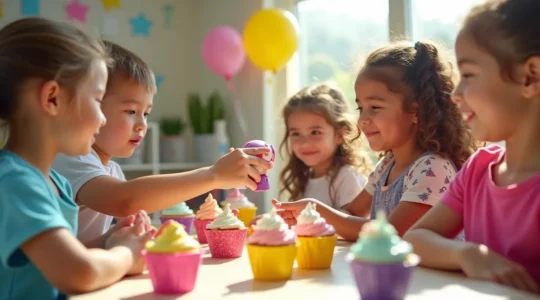
How to Ensure Hygiene at Kids’ Parties Without Ruining the Fun?
In summary: Shift from enforcing rules to “hygiene by design,” making clean choices easy and fun. Replace communal snack bowls with festive, individual portions to prevent cross-contamination. Prioritize soap and water over sanitizer for visible dirt and sticky hands, and…
Read more
How to Choose Safe Care Essentials for Sensitive Skin Without Harsh Chemicals?
True safety for your baby’s delicate skin isn’t found in front-of-pack marketing claims, but in mastering the science of ingredient labels. Synthetic fragrances, even when “masked,” are a primary trigger for eczema flare-ups in infants. Terms like “hypoallergenic” are largely…
Read more