Blog
Dressing children can feel like navigating a constantly shifting landscape. Growth spurts happen overnight, preferences change with the seasons, and the balance between budget, sustainability, and style often seems impossible to strike. Yet the choices you make about your children’s clothing extend far beyond simple aesthetics—they shape consumption habits, environmental impact, and even your child’s developing sense of self.
This comprehensive resource explores the fundamental principles of building thoughtful, functional wardrobes for children while maintaining family harmony and style. From understanding the true cost of fast fashion to mastering color coordination without excessive matching, you’ll discover practical approaches that work for real families navigating the everyday challenges of dressing growing children.
Building a Sustainable and Economic Wardrobe
The foundation of smart children’s clothing choices rests on understanding value beyond the price tag. When children outgrow garments within months, the temptation to buy cheaply becomes overwhelming. However, a strategic approach reveals that thoughtful investment often costs less in the long run while reducing waste dramatically.
The Capsule Approach for Growing Children
A capsule wardrobe for children operates on the principle of fewer, better pieces that work together seamlessly. Think of it as building with blocks rather than collecting puzzle pieces—each item should connect logically with multiple others. For a preschooler, this might mean five versatile bottoms, eight tops, two layering pieces, and one special outfit. The goal isn’t restriction, but intentionality.
This approach offers concrete advantages for busy families:
- Children develop decision-making skills without overwhelming choice
- Morning routines become faster when everything coordinates
- Laundry cycles align naturally with wardrobe size
- Storage needs decrease, reducing clutter and chaos
Quality Investment vs. Fast Fashion Costs
The true expense of a garment reveals itself over time, not at checkout. A budget shirt that survives three washes before fading or tearing ultimately costs more per wear than a well-constructed piece lasting through multiple children. Consider the math: a quality cotton t-shirt at three times the price of a fast fashion equivalent that lasts ten times longer represents significant savings.
Beyond economics, fabric quality directly impacts comfort and durability. Natural fibers like cotton, linen, and wool regulate temperature better, breathe during active play, and maintain their shape through countless wash cycles. Fast fashion’s polyester blends may photograph well initially, but they pill quickly, trap odors, and often feel uncomfortable against sensitive skin.
Maximizing Resale Value
Viewing children’s clothing through the lens of resale potential transforms purchasing decisions. Well-maintained pieces from recognized brands or in timeless styles retain significant value. When buying, ask yourself: “Could I sell this for half the purchase price in a year?” If the answer is yes, the effective cost plummets.
Items that hold value best include neutral-colored outerwear, classic denim, leather shoes, and special occasion wear in excellent condition. Trendy graphic tees or character-covered pieces, while initially appealing, rarely find second-hand buyers. Mixing vintage treasures with modern staples creates unique style while often offering the best quality-to-price ratio—vintage children’s garments that survived decades prove their construction quality.
Navigating Colors, Patterns and Textures
The visual elements of children’s clothing—color, pattern, and texture—do far more than create pretty outfits. They establish a wardrobe’s versatility, reflect developing personalities, and teach children about self-expression. Understanding these elements empowers you to make choices that look cohesive without feeling overly controlled.
Neutral Tones vs. Bold Prints
The debate between neutral palettes and vibrant prints isn’t about choosing sides—it’s about understanding their different roles. Neutral foundations (whites, grays, navy, camel, olive) function as the wardrobe’s backbone, mixing effortlessly and showcasing a child’s face rather than overwhelming it. They transition seamlessly between seasons and occasions.
Bold prints and saturated colors inject personality and joy. The strategic approach uses a roughly 70-30 ratio: seventy percent neutral or subtle pieces providing the foundation, thirty percent statement items adding interest. This balance ensures maximum mixing potential while preventing the “nothing matches” frustration. A child with five neutral bottoms can wear them with both basic tees and patterned shirts, multiplying outfit combinations exponentially.
Creating Visual Depth Through Texture
Texture often goes overlooked in children’s styling, yet it transforms simple outfits into visually interesting ensembles without relying on busy patterns. Mixing textures—smooth cotton with chunky knit, soft corduroy with crisp linen, or lightweight chambray with structured denim—creates dimension that photographs beautifully and looks intentional.
For practical application, consider pairing smooth basics with one textured element: a waffle-weave shirt under overalls, a cable-knit cardigan over a simple dress, or quilted vests with standard joggers. This approach works particularly well for families seeking coordinated photos without literal matching, as varied textures within a shared color story create cohesion naturally.
Embracing Gender-Neutral Choices
Gender-neutral clothing serves multiple practical purposes beyond philosophical preferences. These versatile pieces maximize hand-me-down potential across siblings, resist dated trends, and often feature more durable construction than highly gendered alternatives. Classic stripes, earth tones, simple geometrics, and solid colors work for any child.
Gender-neutral doesn’t mean boring—it means timeless. A well-cut pair of overalls, a quality field jacket, or comfortable joggers in sage green or rust orange offer style and function while remaining appropriate for any child. These pieces typically command better resale prices precisely because they appeal to a broader market.
Smart Shopping: What to Buy and What to Avoid
Strategic purchasing requires understanding the difference between genuine style and fleeting trends. The children’s fashion industry constantly pushes new “must-haves,” yet most families benefit from ignoring this noise and focusing on versatile, lasting pieces that serve actual daily needs.
Identifying Fleeting Trends
Certain warning signs reveal items unlikely to justify their cost. Consider these red flags when evaluating potential purchases:
- Character licensing or branded entertainment properties that children outgrow interest in quickly
- Highly specific seasonal themes beyond basic summer/winter functionality
- Excessively embellished items that can’t withstand normal play and washing
- Silhouettes drastically different from classic cuts, which date rapidly
- Neon colors or unusual color combinations unlikely to coordinate with existing items
This doesn’t mean avoiding fun—it means being selective. One beloved character shirt becomes special; ten create wardrobe chaos and waste money. The trend-resistant approach prioritizes classic cuts in current colors rather than trendy cuts in any color.
Choosing Versatile, Reusable Pieces
The most valuable items in any child’s wardrobe work multiple ways. A button-down shirt layers over tees, wears alone, or ties at the waist for different looks. Leggings transition from play clothes to sleepwear. A denim jacket spans three seasons and pairs with everything from dresses to athletic wear.
When evaluating a potential purchase, mentally style it three different ways. If you can’t imagine at least three distinct outfits featuring that piece, reconsider. This versatility test naturally steers you toward solid colors, classic patterns like stripes or small florals, and well-constructed basics that anchor numerous combinations. Items passing this test justify higher price points because their cost-per-wear plummets with heavy rotation.
Family Styling Without the Stress
Creating a cohesive family aesthetic doesn’t require identical outfits or daily battles. The most successful approaches balance visual harmony with individual expression, recognizing that children develop important autonomy through clothing choices while parents maintain reasonable boundaries.
The key to coordinated family styling lies in establishing a shared color story rather than matching garments. Choose three to four colors that appear throughout everyone’s wardrobe—perhaps navy, white, olive, and rust. On any given day, family members wear different pieces incorporating these shades. The result looks intentionally coordinated without feeling costume-like, and everyone dresses from their regular wardrobes.
Balancing color palettes while avoiding identical prints creates visual interest. One family member might wear a striped shirt while another chooses solid rust and a third selects small olive florals. The shared colors create cohesion; the varied patterns and textures maintain individuality. This approach photographs beautifully while feeling natural and comfortable for everyone involved.
Handling a child’s refusal to wear chosen outfits requires diplomacy and strategy. Offering limited choices rather than unlimited freedom works well: “Would you like the blue shirt or the green one?” Both options meet your criteria while giving the child genuine decision-making power. Laying out clothes the night before, discussing special activities requiring certain clothing, and occasionally allowing harmless mismatches all reduce morning friction.
As children mature, their desire for clothing autonomy intensifies. Supporting this development while maintaining practical standards means establishing reasonable boundaries—weather-appropriate clothing, properly fitting shoes, clean garments—while relaxing control over stylistic preferences. A child choosing their own outfit combinations, even unusual ones, builds confidence and self-expression far more valuable than perfectly coordinated appearances.
The ultimate goal of thoughtful children’s wardrobes extends beyond aesthetics or budgets. By making intentional choices about clothing—prioritizing quality, versatility, and sustainability while respecting developing autonomy—you model values that shape how children understand consumption, express identity, and navigate choices throughout their lives. Start with small changes, focus on what serves your specific family, and remember that imperfect progress always outweighs perfect inaction.

How to Coordinate Sibling Outfits for Family Photos Without Looking Tacky?
In summary: Move beyond identical matching by focusing on coordination through a shared color story, varied textures, and distinct silhouettes. Incorporate different fabrics like knits and cottons to add visual depth and interact beautifully with light. Prioritize comfort, especially for…
Read more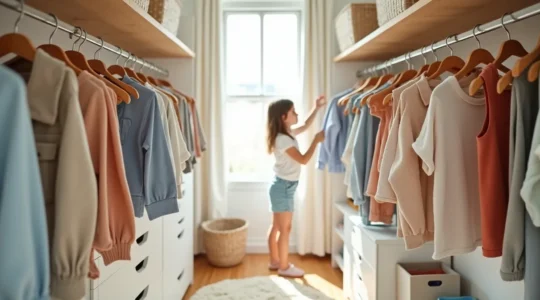
How to Build a Kids’ Capsule Wardrobe That Lasts All Year and Saves You Money
A kids’ capsule wardrobe is a financial strategy that transforms clothing from a disposable expense into a recoverable asset. Focus on “cost-per-wear” over the initial sticker price to make smarter purchasing decisions. Integrate timeless vintage finds and durable fabrics to…
Read more